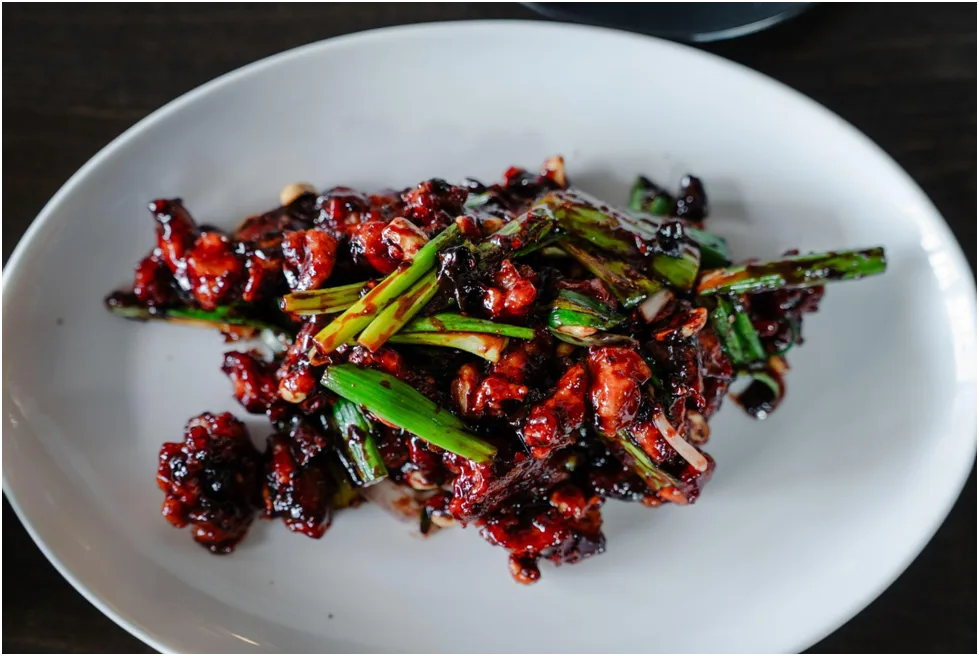

Lunch is the meal most people settle for. Dinner gets planned and breakfast is a habit, but lunch happens in whatever gap the day leaves which is why so many of them end up being the same thing eaten quickly and forgotten by three o’clock.
Asian lunch sets are built for that gap. Rather than one plate carrying the whole meal, a set brings several components together in a single order: a main, a starch, and usually something fresh or brothy alongside. That structure is a large part of why Asian lunch in San Diego has become such a reliable weekday default you get range without assembling it yourself, in portions sized for a workday rather than an evening out.
Here’s what a set typically includes, how different cuisines approach it, and how to choose one that fits the afternoon you’re heading into.
An Asian lunch set is a midday meal that combines a main dish with complementary items such as rice, noodles, soup, vegetables, dumplings or small sides, served together as one order.
The format varies widely. “Asian” covers dozens of distinct culinary traditions, each handling the midday meal differently: a Japanese bento tray, a Chinese rice plate with soup, a Korean rice bowl with banchan and a Vietnamese broken-rice plate are all lunch sets, and none look much alike.
What they share is the logic: a few complementary items chosen to work together, sized for the middle of the day. Common components include:
Not every set includes all of these, and plenty of restaurants serve combination plates that function as lunch sets without calling them that.
They combine multiple components into one meal, offering variety in flavor, texture and portion without requiring several separate orders.
Four or five small things beat one large thing, especially at lunch when you’re eating faster. The last bite tastes different from the first, which is most of what keeps a meal from feeling like a chore.
Sets are built so the pieces offset each other: a heavily sauced main next to plain rice, something pickled to cut the richness, a light broth to reset the palate. That structure is why a set often eats better than the same components ordered at random.
Sets are sized for a lunch break rather than a full dinner. Several modest portions land differently than one oversized plate you finish satisfied instead of heavy, which often decides how the afternoon goes.
One decision produces a complete meal. When you have a short break and a table of people all reading the menu, that matters more than it sounds.
Most sets swap the main chicken, beef, seafood or tofu over the same base. A group with different tastes can order from one menu without negotiation, and vegetarian versions are usually straightforward.
Most sets are assembled from the same handful of building blocks:
Treat this as a map rather than a template. Cuisines weigh these components very differently, and a set built around noodles looks nothing like a rice plate.
Japanese menus lean toward structured sets: sushi combinations, donburi (a protein over rice), teriyaki plates and bento trays all package a main with rice and sides. Ramen sits apart as a complete meal in one bowl rather than a set.
Chinese lunch specials are the most straightforward version of the format: a wok-fired main with rice and often a soup. Stir-fries, noodle dishes and dumplings all work at midday, and portions tend to be generous enough to split or take home.
Thai lunch plates center on a curry or stir-fry with rice, sometimes with a small soup or salad. The flavor range sweet, sour, salty and spicy at once makes for a vivid lunch, and heat levels are usually adjustable.
Korean meals arrive with banchan, the small side dishes served alongside the main. A rice bowl, grilled protein or stew comes with a rotating set of pickled and seasoned vegetables built-in without ordering anything extra.
Pho is a popular lunch option that can be both satisfying and refreshing, with herbs and lime added to taste. Broken-rice plates, vermicelli bowls and fresh rolls work well too, and Vietnamese food tends to sit lighter than the alternatives.
Not every restaurant in these categories serves formal lunch sets plenty offer combination plates or lunch specials that work the same way under a different name.
San Diego has a genuinely broad range of Asian restaurants, spread across the city and into North County, and that variety is the practical advantage at lunch. You can eat Thai one day and Japanese the next without changing neighborhoods.
The format helps too. Asian lunch menus span quick-service counters and sit-down restaurants, so you can match the meal to the time you have twenty minutes for a noodle bowl, an hour for a set with a colleague. Most of these dishes travel well, which matters if you’re eating at a desk.
Portion flexibility is the other piece. Lunch specials are usually scaled down from dinner portions, and rice or noodle dishes size up or down easily. Between the flavor range and the format range, it’s a category that adapts to the afternoon you’re having.
One notable local pattern is the rise of modern Asian dining in San Diego, where a single kitchen draws on Chinese, Taiwanese and Thai cooking rather than specializing in one tradition. For lunch that’s useful: a broader menu means a mixed group can order in one place.
A quick decision guide:
None of these is better in any general sense. The right pick depends on your appetite, your schedule and what you feel like eating lighter on a desk day, more substantial before a demanding afternoon.
The North County coastal areas Carmel Valley, Del Mar and nearby communities have a steady concentration of Asian restaurants, helped by the office density around the 56 corridor and the shopping centers serving it. Lunch there is largely a business-hours affair, which shapes what’s on offer.
A few things worth checking:
A lunch set gives you several components in one order, with the combination already decided. Ordering is faster, portions are sized for midday rather than scaled down from dinner, and you end up with more range on the table than you’d have picked yourself.
À la carte is the opposite trade. You choose each dish individually, so you get exactly what you want and full control over quantity better for a specific craving, and better when a table wants to share rather than each eating a complete meal. Portions vary more, since à la carte dishes aren’t built as a lunch-sized unit.
Neither wins outright. If you know exactly what you want, ordering it directly will only give you things you didn’t ask for. If you want a complete meal with range and don’t want to build it yourself, the set does that work.
A few practical adjustments:
For diners looking for a modern Asian lunch in San Diego, Zen Modern Asian Bistro brings together flavors inspired by Chinese, Taiwanese, and Thai cooking traditions. The menu includes options such as Taiwanese Beef Noodle Soup, wok-fired noodles, fried rice, dumplings, vegetable dishes, and rice-based entrées, giving diners several ways to build a satisfying midday meal.
The appeal of an Asian lunch set comes down to variety, structure, flavor balance and convenience: several complementary pieces, chosen to work together, arriving as one order. Which is roughly what a short midday break calls for.
Beyond that it’s preference and timing: lighter on a desk day, more substantial when the afternoon is demanding, a different cuisine tomorrow if today got repetitive. Given the range available at lunch here, there’s little reason to eat the same thing twice in a week.
What is an Asian lunch set?
An Asian lunch set is a midday meal combining a main dish with complementary items such as rice, noodles, soup, vegetables or small sides, served as one order. Contents vary by cuisine and restaurant, and many places offer the same idea as a “lunch special” or “combination plate.”
What usually comes with an Asian lunch set?
Most sets include a main protein plus a starch, such as rice or noodles, and one or two supporting items such as soup, vegetables, pickles, or dumplings. Korean sets typically arrive with banchan, while Japanese sets often use a tray format with several small compartments.
Why are Asian lunch sets good for lunch?
They deliver variety in one order, which keeps a midday meal interesting without extra decisions. Portions are usually scaled for lunch rather than dinner, and the combination of a main, a starch and something fresh or brothy tends to feel more complete than a single dish of the same size.
What are popular Asian lunch foods?
Common options include sushi, ramen, donburi, rice bowls, stir-fried and broth-based noodles, dumplings, curries, pho, banchan-accompanied Korean plates and bento-style trays. Which of these show up as formal sets depends entirely on the cuisine and the restaurant.
What should I consider when choosing an Asian lunch in San Diego?
Consider the restaurant’s lunch hours, menu variety, portion sizes, location, and how much time you have. Choosing a restaurant with a range of rice, noodle, vegetable, and protein-based dishes can also make it easier to find something that suits different preferences.
Experience the harmony of flavors at Zen Modern Asian Bistro — where Asian tradition meets modern innovation.