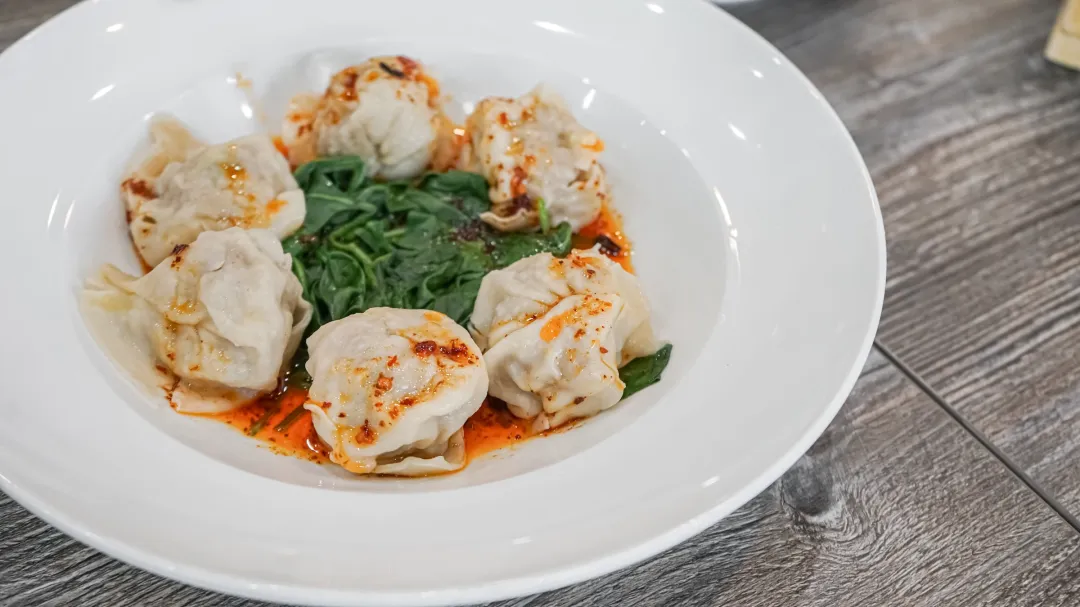

Dumplings and drinks might be the easiest sell in restaurant marketing, and dim sum happy hour leans into exactly that. Instead of picking one entree and hoping you ordered well, a dim sum happy hour lets a table split a dozen small dishes, compare bites, and pair them with a cocktail or a pot of tea without the check climbing the way a full dinner would. Nobody has to commit to one dish, and everyone at the table usually ends up trying something they wouldn't have ordered on their own. San Diego has plenty of Asian restaurants running some version of this, from steamed dumplings and pork buns to spring rolls and other small plates, usually during a set window in the late afternoon or early evening. If you've never done dim sum before, or only had it at a traditional weekend service, happy hour is a low-pressure way to try it. Here's what to expect, what to order, and how to think about finding a good one in San Diego.
Dim sum is a style of Cantonese dining built around small plates rather than one main course. The name loosely translates to “touch the heart,” and in practice that means an array of steamed, fried, and baked dishes, most of them a few bites each, meant to be shared across the table. Traditionally, dim sum is tied to yum cha, a tea-drinking custom where dishes are ordered gradually throughout a long, relaxed meal rather than all at once.
Dumplings are the most recognizable part of dim sum, but the format goes well beyond them. Steamed buns, rice rolls, spring rolls, and small seafood or vegetable dishes usually show up alongside the dumplings, often arriving in small steamer baskets as they're ready.
For dim sum for beginners, the biggest adjustment is usually the pacing: you're ordering several small dishes over the course of the meal instead of one entree, tasting a little of everything rather than a lot of one thing. That's part of why dim sum works so well in a group, since more dishes means more variety.
A dim sum happy hour takes the small-plate format of traditional dim sum and pairs it with the discounted pricing and shorter time window of a typical happy hour. Instead of the usual lineup of fries, sliders, or a narrow bar menu, a dim sum happy hour usually centers on dumplings, small plates, and other Asian-inspired bites, often at a lower price than the regular dinner menu.
The appeal is similar to why happy hour works in general: lower prices, a shorter, more casual visit, and food built for sharing rather than one person eating one dish. Dim sum happy hour applies that idea to a menu with more variety and texture than a standard bar snack list, making it easier to order several dishes without the bill getting out of hand.
It also tends to be more social than a sit-down dinner, since small, shareable dishes work naturally for a table of three or four people trying to cover more ground than they would with individual entrees.
Exactly what shows up on a dim sum happy hour menu depends on the restaurant, but a few dishes tend to appear across most versions of it.
Steamed dumplings are usually the anchor, filled with shrimp, pork, vegetables, or a combination, with fried dumplings and potstickers alongside for a crispier option. Steamed buns, whether filled with barbecue pork or left plain, are common too, along with spring rolls, egg rolls, and other fried appetizers.
Beyond dumplings, many menus include seafood bites like shrimp toast, plus vegetable-forward dishes for something lighter. Rice and noodle dishes round things out on some menus, though this varies significantly by restaurant.
Because happy hour specials and menus change often, it's worth checking a restaurant's current happy hour food list before you go. Real variety, rather than a shorter version of the dinner menu, is usually a sign you're looking at one of the best happy hour food options around.
Dumplings vary more than people expect once you compare them side by side.
Shrimp dumplings, or har gow, use a thin, steamed wrapper built almost entirely around the shrimp itself, delicate and mild, a good starting point for beginners. Pork dumplings, like siu mai, are heartier and more seasoned, usually steamed open-topped rather than fully sealed. Vegetable dumplings swap in cabbage or mushroom for a lighter, vegetarian-friendly bite.
Soup dumplings, or xiao long bao, hold both meat and broth inside a wrapper that stays sealed until you bite in, so they're eaten with a spoon and a little patience. Crispy or fried dumplings bring the most textural contrast, with a browned, crunchy shell instead of a soft steamed wrapper.
Dumplings in San Diego range from traditional Cantonese counters to modern Asian fusion menus, worth comparing if you're after the best dumplings in San Diego, or the best dumplings in La Jolla specifically.
Ordering dim sum for the first time can feel a little overwhelming if the menu is long, but a few basic habits make it much easier.
• Start with a handful of different dishes rather than multiples of the same one, since the point of dim sum is variety.
• Order for the table instead of individually. Dim sum is built around sharing, so dishes usually arrive in the middle of the table.
• Mix steamed and fried dishes so you're not eating the same texture the whole meal.
• Try a few different fillings, especially with other people, to get a real sense of what you actually like.
• Balance richer dishes with something lighter, like a vegetable dish or a simpler broth-based item.
• Ask if something on the menu is unfamiliar. Servers at dim sum restaurants are used to explaining unfamiliar dishes.
• Order more as you go. Since the dishes are small, most tables end up ordering in rounds rather than all at once.
A good happy hour is about more than just finding the lowest price on a menu.
Food quality shouldn't drop just because the price does, and the best happy hour restaurants keep the same ingredient and preparation standards during happy hour as during regular dinner service. Variety matters too: a happy hour menu with only two or three items gets repetitive fast, while a wider menu with a mix of small plates and flavors gives a table more to work with.
Portion sizes should make sense for the price, since happy hour deals are supposed to offer real value, not just smaller dishes at a similar cost. Drink selection is worth checking too, and atmosphere and service matter more than people expect.
A happy hour restaurant that treats the deal as an afterthought undercuts its own value. The best happy hour near you is usually the one where food, drinks, and service all hold up, not just the one with the biggest discount.
Dim sum and happy hour solve a lot of the same problems, which is probably why the combination works as well as it does.
Both formats favor small portions over one big plate, so a group can order several dishes without anyone overcommitting to a single choice. Both are meant to be shared, which fits a table of coworkers after work or friends catching up over drinks.
Because the dishes are small, there's room to try more without wasting food or money on something you don't like, which makes dim sum happy hour a low-stakes way to try new dishes.
The pairing with drinks helps too: a round of dumplings and a cocktail or a pot of tea fits the after-work, low-commitment feel a good happy hour is going for.
A search for dim sum near me or an Asian happy hour near me turns up plenty of options, but availability, hours, and quality vary a lot by restaurant. That's especially true for authentic dim sum, since the word can mean anything from a traditional Cantonese kitchen to a modern Asian restaurant in San Diego blending several culinary traditions.
Menu variety is a good early indicator: a handful of dumpling styles plus a few vegetable or seafood options usually beats a happy hour menu with only two or three items, whether you're after the best dim sum in San Diego or the best Asian food in San Diego overall. Location and schedule matter too, since happy hour windows are usually short and limited to certain days, so check the current schedule before planning a visit.
Food quality and pricing should be weighed together rather than separately, and atmosphere is worth considering if you're going with a group. Recent reviews can fill in gaps a menu won't, especially around consistency, but since menus, hours, and pricing change, it's worth confirming directly with the restaurant rather than relying on older information online, especially if you're trying to settle on the best happy hour in San Diego for your group.
San Diego's dining scene is spread out enough that where you're eating often shapes what kind of happy hour you'll find.
Downtown San Diego has a higher concentration of restaurants running happy hour, which usually means more competition and variety, making happy hour downtown San Diego a solid bet if you want several options within walking distance. La Jolla leans more upscale, so a happy hour in La Jolla, dim sum or otherwise, tends to lean into quality over sheer discount size, and an Asian restaurant in La Jolla serving dim sum usually fits that same polished setting.
Del Mar and Carmel Valley are quieter, more residential areas, so happy hour there tends to serve a local, regular crowd rather than a downtown after-work rush, and Asian food in Del Mar often leans casual and family-friendly. Wherever you're looking, check the current menu, confirm the happy hour schedule, and don't assume every location of a restaurant runs the same specials.
A few things are worth scanning for before you sit down:
• Variety across the menu, not just multiple versions of the same dumpling
• A mix of dumpling styles, including at least one steamed and one fried option
• Portions built for sharing rather than single servings
• At least one or two vegetarian dishes
• Seafood options if that's something you enjoy
• A range of textures and flavors, not just heavy or fried dishes
• Drinks that pair reasonably well with the food, whether that's tea, beer, or cocktails
• Any seasonal or rotating specials, which can be a good way to try something new
• Pricing that reflects genuine value, not just smaller portions at a similar cost
• Clear happy hour times, since these are usually limited to specific days or hours
Menus, pricing, and happy hour schedules change often, so check a restaurant's current information directly before planning a visit rather than relying on an old menu or a review from a year ago.
For most people, dim sum happy hour is worth trying, though it fits some situations better than others.
It works well for groups, whether that's coworkers after work, friends catching up, or a couple who wants to try a few dishes instead of one entree each. More people at the table usually means more dishes and more variety.
It's also a reasonable way to try dim sum for the first time, since the lower stakes of a discounted, small-plate menu make it easier to order something unfamiliar without worrying you've wasted money.
It's less suited to someone who wants a quiet, slow dinner or one big plate to themselves. Dim sum happy hour is built around variety and a bit of social back and forth, so it fits better as a shared, casual meal than a solo dinner.
Dim sum happy hour takes two ideas that already work well on their own small-plate sharing and discounted after-work dining and combines them into a format that's easy to enjoy with almost any group. It's a solid option whether you're introducing someone to dim sum for the first time or just want a happy hour that offers more than the usual bar menu.
The best part is the variety. You can start with a few dumplings, add something crispy or savory, and share several different dishes across the table instead of committing to one entrée. For diners who enjoy trying new flavors, this makes dim sum happy hour an easy way to explore Asian cuisine in a relaxed setting.
Whether you're meeting friends after work, planning a casual date, or looking for something different to share with a group, dim sum happy hour offers a flexible and social dining experience. Before visiting, check the restaurant's current menu, happy hour times, and specials so you know what's available.
1. What is dim sum happy hour?
Dim sum happy hour combines traditional small, shareable dishes such as dumplings, buns, and spring rolls with happy-hour pricing during a limited time window.
2. What dishes are typically served during dim sum happy hour?
Common options include har gow, siu mai, steamed or fried dumplings, buns, spring rolls, seafood bites, and vegetable dishes. Menus vary by restaurant.
3. Is dim sum happy hour good for beginners?
Yes. The small portions and shared format make it an easy, low-pressure way to try different dim sum dishes without committing to a full entrée.
Experience the harmony of flavors at Zen Modern Asian Bistro — where Asian tradition meets modern innovation.