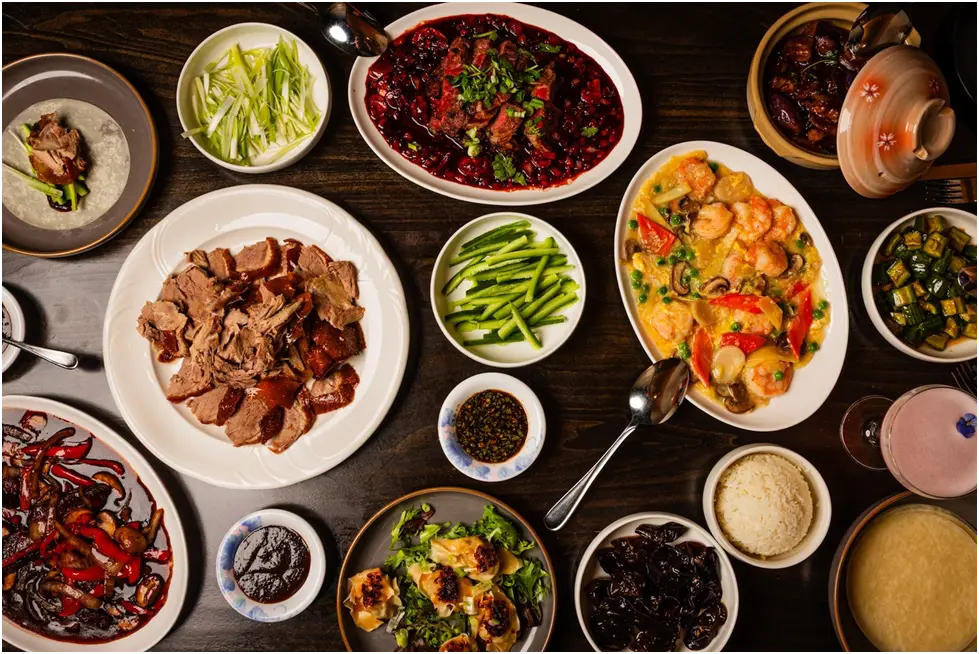

Choosing a restaurant for a group can be surprisingly difficult when everyone has different tastes. One person wants noodles, another prefers rice, someone likes spicy food, and another wants something lighter. Ordering becomes even harder when everyone is trying to agree on one cuisine or one type of dish.
The easiest solution is to choose a restaurant with enough variety to build a meal around different preferences. A good Asian restaurant in San Diego can make group dining easier with a combination of dumplings, noodles, rice dishes, vegetables, seafood, meat, and shareable entrees.
Instead of asking everyone to order the same thing, build a table with different flavors and textures so everyone has something they enjoy.
Appetizers are one of the easiest ways to satisfy a group because everyone can try a little of several dishes.
Consider starting with a combination such as:
You don't need to order several similar appetizers. Choose different textures and flavors instead. For example, pair dumplings with something crispy and something fresh or vegetable-based.
This gives everyone a chance to try something before deciding how much they want to eat for the main course.
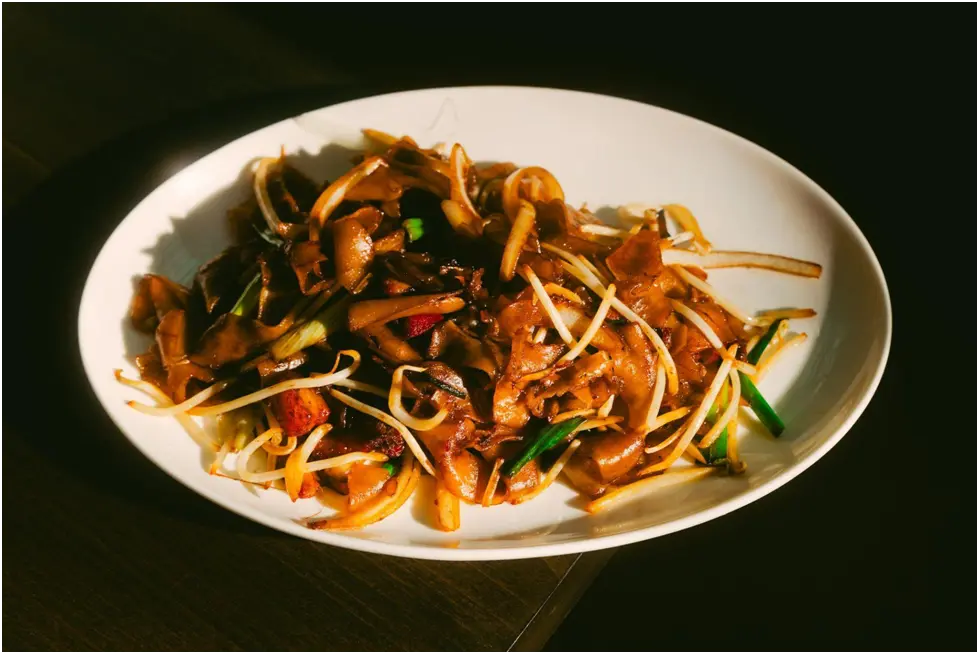
Noodles are a natural choice for group dining because different preparations can offer completely different flavors.
Protein choices can add even more variety. Depending on the dish, diners may be able to choose chicken, pork, beef, shrimp, tofu, or mixed vegetables.
That's particularly helpful when dining at an Asian fusion restaurant in San Diego, where different ingredients and cooking styles can come together on one menu.
If one person wants noodles and another prefers rice, there is no reason the table has to choose between them.
A shared fried rice dish can complement noodles, dumplings, vegetables, and saucy entrees. Depending on the menu, options can include:
Each brings a different flavor to the table. Mandarin Fried Rice is a familiar option, while Yang Chow Fried Rice can provide more variety. Kimchi Fried Rice is a good choice for diners who enjoy stronger, savory flavors with Korean influence.
Ordering one rice dish for the table also gives everyone something to pair with other entrees.
Wok dishes are especially useful when everyone wants something different because the same type of protein can be prepared with completely different sauces.
For example:
This allows a group to order different flavor profiles without having to choose completely different types of cuisine.
A group meal can quickly become heavy when the table is filled with fried foods, noodles, rice, and rich sauces. Adding a vegetable dish can create a better balance.
Good choices for sharing include:
A vegetable dish can also be useful for anyone who prefers a lighter meal or wants to add more greens to their plate.
When ordering for several people, avoid choosing the same protein for every dish.
Instead, create a mix such as:
This simple approach gives everyone more choices and makes sharing more interesting.
Soup can work as either a starter or a main dish, depending on what your group orders.
For a lighter beginning, Egg Drop Soup provides a simple option. Hot and Sour Soup brings more acidity and spice, while Wonton Soup adds dumplings to the broth.
For someone looking for something more substantial, Taiwanese Beef Noodle Soup or Wonton Noodle Soup can work as a complete meal.
Taiwanese Beef Noodle Soup combines braised beef, noodles, bok choy, cilantro, scallions, and a seasoned broth, making it a particularly satisfying option for someone who would rather order a bowl than share several dishes.
If you're celebrating a birthday, family occasion, or special dinner, consider adding one larger dish for the table.
Peking Duck is an excellent example. Served with Chinese pancakes, scallions, cucumbers, and hoisin, it gives the table something distinctive to share.
Other substantial options can include:
A centerpiece dish can make a group dinner feel more memorable without requiring everyone to order the same entree.
When a group can't agree, think about variety rather than quantity.
A balanced order might look like this:
2 to 3 appetizers
Choose different textures, such as dumplings, spring rolls, and lettuce wraps.
1 noodle dish
Pick a preparation that several people are likely to enjoy.
1 rice dish
Choose fried rice that can be shared across the table.
2 different entrees
Select different proteins and sauces.
1 vegetable dish
Add something lighter to balance richer dishes.
1 special dish
For larger groups or celebrations, add a centerpiece such as Peking Duck.
This approach gives everyone options without ordering six versions of essentially the same dish.
Groups often have more than just different taste preferences. Some people may avoid certain proteins, prefer vegetables, or want a milder dish.
Before ordering, consider these questions:
Once you know those preferences, ordering becomes much easier.
For example, one person might choose tofu and vegetables, another might order chicken, while someone else chooses shrimp or beef. A few shared dishes can then fill in the gaps.
If you have specific dietary restrictions or allergies, confirm ingredients and preparation methods with the restaurant before ordering.
The biggest advantage of an Asian fusion restaurant in San Diego is the variety that can come to the table.
A single meal can include dumplings, noodles, fried rice, vegetables, grilled meats, seafood, and different sauces without everyone having to settle on the same style of food.
That makes this type of dining particularly useful for:
Everyone can order according to their own preferences while still sharing the experience.
When everyone wants something different, the answer isn't necessarily finding one dish that pleases the entire table. A better strategy is to choose a restaurant with enough variety to let everyone build their own experience.
Start with shareable appetizers, add a noodle or rice dish, choose different proteins and sauces, include a vegetable, and consider a larger specialty dish if you're celebrating.
For anyone searching for Asian food in San Diego, exploring the Asian restaurant menu before your visit can make group ordering much easier. If you're planning a birthday, family gathering, or dinner with friends, reserve a table for your next group meal and let everyone find something they enjoy.
Experience the harmony of flavors at Zen Modern Asian Bistro — where Asian tradition meets modern innovation.